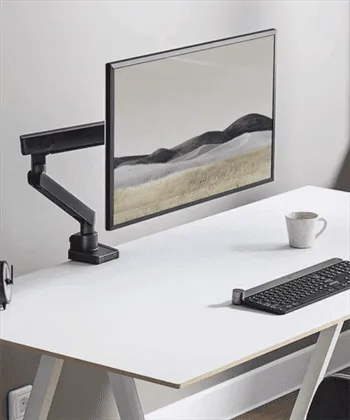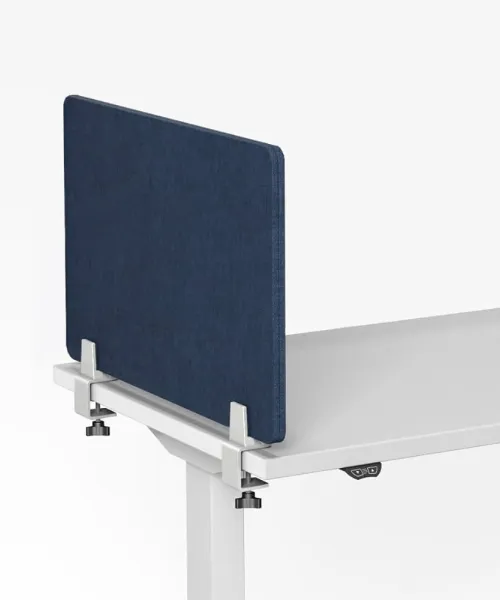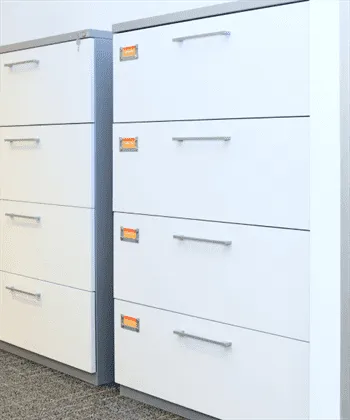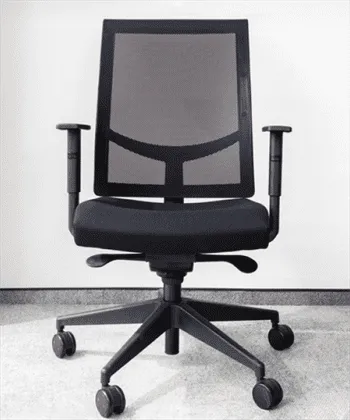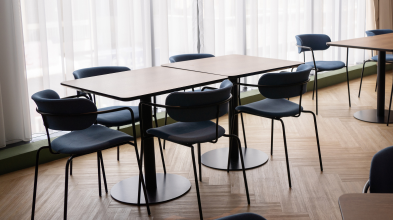
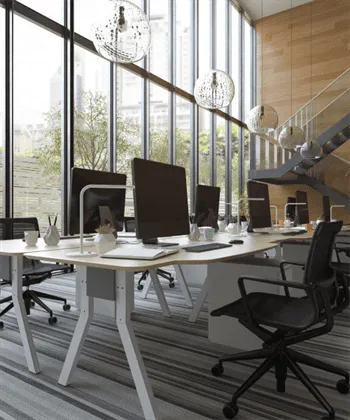
When choosing a workstation for your office, ensure functionality, comfort, and adaptability to accommodate various employee roles and company cultures. Find a workstation that offers sufficient working space, ergonomic seating, and enough storage for tools and equipment. Consider the needs of your employees, such as privacy requirements or collaborative work setups, and choose workstations that can be customized accordingly.
In an office setting, a workstation typically refers to a designated area where an employee performs their tasks using a computer or other essential tools. It includes a desk or table, a chair, and the necessary equipment, such as a computer, monitor, keyboard, and mouse. Workstations are designed to provide employees with a comfortable and functional space to carry out their work efficiently.

Workstations in offices are like personal work hubs for employees. They are the places where people do their work on computers, write reports, send emails, and more. These workstations usually have a desk, a comfy chair, and all the tools needed, like a computer, monitor, keyboard, and mouse.
Since the inception of traditional cubicles, office workstations have come a long way. The time spent at work is made enjoyable as it is proven to have a positive effect on an employee’s productivity. It is essential to look at various kinds of workstations as workplaces have become more lively.
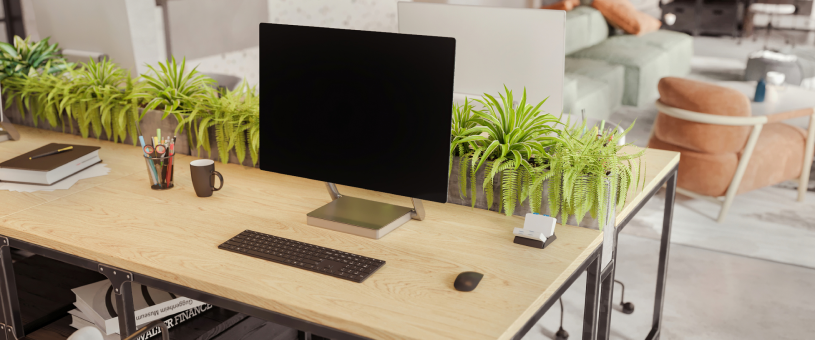
The traditional desk workstation offers employees a dedicated space to carry out their tasks efficiently. It consists of a sturdy desk accompanied by a comfortable chair, allowing employees to focus on their work.
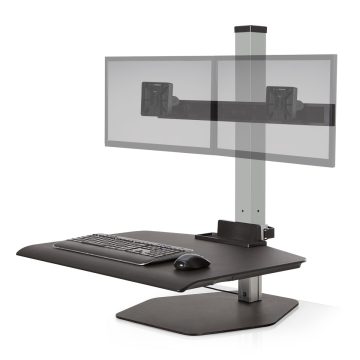
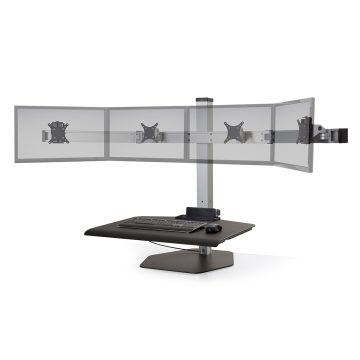
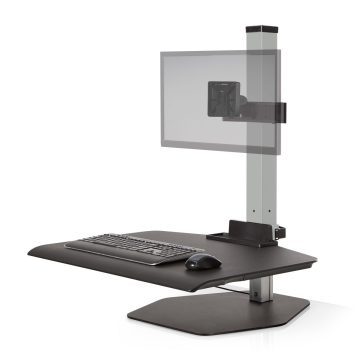
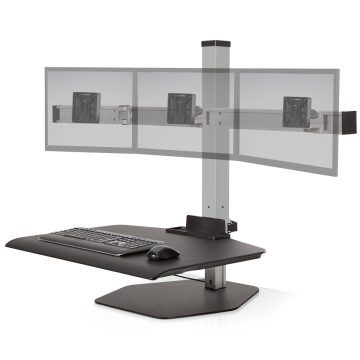
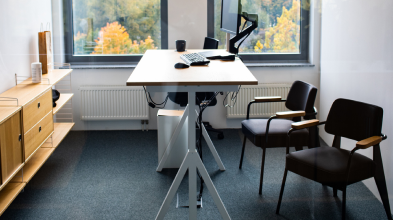
Standing desk workstations have gained popularity for their potential health benefits. These workstations offer employees the flexibility to alternate between sitting and standing throughout the workday.
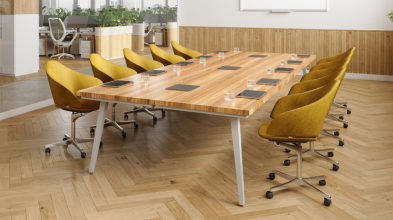
Collaborative workstations are designed to facilitate teamwork. Featuring large tables or shared desks, these workstations create a communal space where multiple employees can gather to collaborate and work on joint tasks.
Flexible workstations feature modular furniture elements that can be easily reconfigured to accommodate different work styles and activities. Flexible workstations offer employees the freedom to create personalized workspaces tailored to their specific tasks.
When planning an office layout, it’s essential to consider how workstations will fit into the overall design to maximize space utilization and promote a conducive work environment. Factors to consider include the placement of workstations to optimize workflow and collaboration, ensuring adequate space for each workstation to avoid overcrowding, and incorporating elements such as partitions or screens to provide privacy and minimize distractions. Factors like natural lighting, ventilation, and access to amenities can contribute to creating a comfortable and productive workspace for employees.